Whether it’s your first tattoo or your fiftieth, understanding what happens during a tattoo appointment helps you prepare properly and get the best results. This guide covers everything from booking through healing, giving you realistic expectations for your tattoo experience.
If you’re a studio looking to improve client experience through better appointment management, this guide also offers insights into what clients value most.
Before Your Appointment
Finding and Booking
Research your artist:
- Review portfolios for style compatibility
- Check reviews and reputation
- Understand their specialty (traditional, realism, blackwork, etc.)
- Verify they work at a reputable, licensed studio
Booking the appointment:
- Contact through official channels (website, studio phone)
- Be clear about what you want
- Expect to discuss size, placement, and complexity
- Pay any required deposit
Consultation (if needed):
- Some pieces require in-person consultation
- Bring reference images
- Discuss your vision openly
- Get realistic expectations about outcome
Time Leading Up to Your Appointment
Days before:
- Stay hydrated (helps skin take ink)
- Get adequate sleep
- Avoid excessive alcohol
- Don’t tan or sunburn the area
- Moisturise the skin (stop day before)
24-48 hours before:
- Don’t consume alcohol
- Avoid blood-thinning medications (if safe to do so—consult doctor)
- Get a good night’s sleep
- Eat a proper meal
What to avoid:
- Sunburn on the tattoo area
- Skin injuries or irritation
- New medications that affect bleeding
- Getting sick (reschedule if you’re unwell)
What to Bring
Essential items:
- Valid photo ID
- Payment method
- Reference images (if not already provided)
- Snacks for longer sessions
- Entertainment (phone, headphones, book)
- Comfortable clothing with easy access to the area
Nice to have:
- Water bottle
- Blanket or pillow for longer sessions
- Charger for your phone
- Friend for moral support (check studio policy)
What to Wear
Choose clothing based on where you’re getting tattooed:
Arm/shoulder: Loose tank top or short sleeves Back: Button-up shirt (worn backwards) or sports bra Leg: Shorts or loose trousers Chest: Button-up shirt or removal options General: Comfortable, dark colours (ink stains)
Avoid:
- Tight clothing over the tattoo area
- White or light colours
- Restrictive garments that can’t be adjusted
Day of Your Appointment
Arrival
Before you arrive:
- Eat a proper meal (not too heavy)
- Shower and clean the area to be tattooed
- Arrive on time or slightly early
When you arrive:
- Check in at reception
- Complete any required paperwork
- Show ID and sign consent forms
- Settle any remaining payment or deposits
The Consultation Process
Even if you’ve discussed your tattoo before, your artist will likely:
- Review the design together
- Show you the stencil or drawing
- Discuss any final adjustments
- Explain the process and expected duration
- Answer any last questions
This is your last chance to make changes. Speak up if something isn’t quite right. Good artists want you to love your tattoo.
Stencil Placement
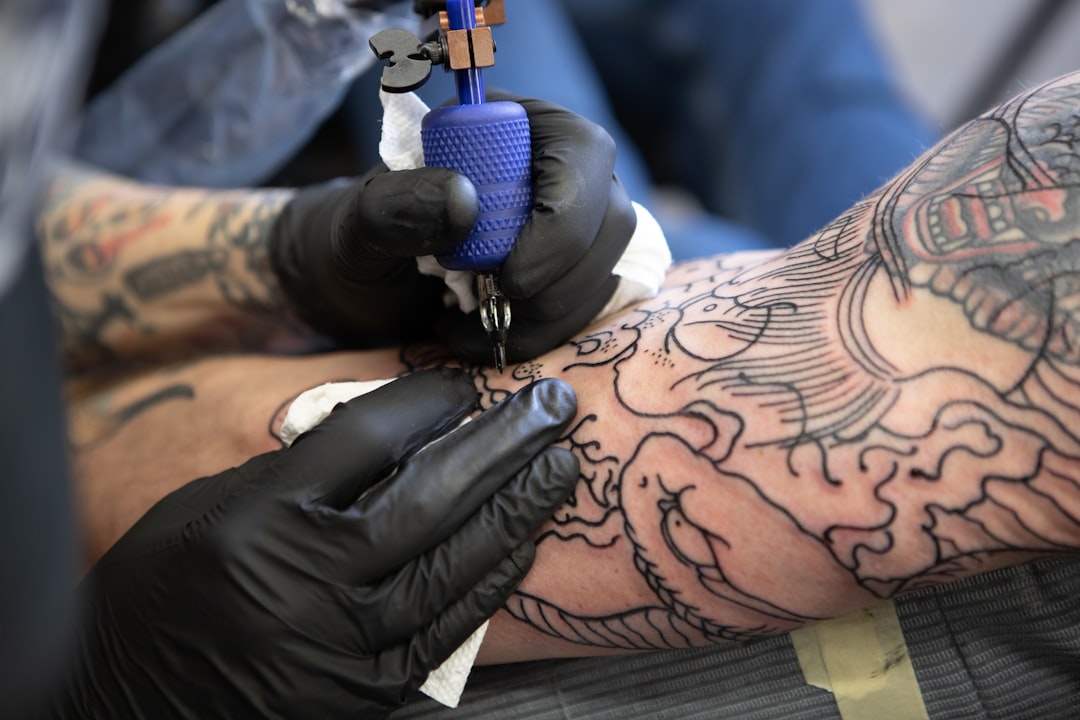
The artist will:
- Prepare and shave the area
- Apply the stencil to your skin
- Let you check the placement
- Make adjustments as needed
- Have you approve the final position
Take your time with placement:
- Look at it from multiple angles
- Check in a mirror
- Sit and stand (if relevant)
- Ask for repositioning if needed
Once you approve, the tattooing begins.
During the Tattoo Session
What to expect:
- Initial outlining (often most uncomfortable)
- Shading and filling
- Colour work (if applicable)
- Final details and touch-ups
Managing discomfort:
- Pain varies by location and personal tolerance
- Breathing techniques help
- Distraction (music, podcasts, conversation)
- Short breaks if needed
- Communication with your artist about pain levels
Sensation varies by area:
| Location | Typical Sensation |
|---|---|
| Outer arm | Mild to moderate |
| Inner arm | Moderate |
| Ribs/chest | More intense |
| Spine/back | Moderate to intense |
| Hands/feet | More intense |
| Thigh (outer) | Mild to moderate |
Staying comfortable:
- Communicate openly with your artist
- Ask for breaks when needed
- Stay hydrated
- Snack during longer sessions
- Don’t be embarrassed about needing pauses
Session Length
Typical durations:
| Tattoo Size | Approximate Time |
|---|---|
| Small (coin-sized) | 30-60 minutes |
| Medium (palm-sized) | 2-4 hours |
| Large (half sleeve) | 6-8+ hours |
| Full sleeve | Multiple sessions |
Larger pieces are often split across multiple sessions to manage healing and comfort.
After Your Appointment
Immediate Aftercare
Your artist will:
- Clean the tattoo area
- Apply healing ointment
- Cover with bandage or second-skin wrap
- Explain aftercare instructions
First 24-48 hours:
- Leave initial wrap on as instructed (2-24 hours depending on type)
- Remove wrap gently following instructions
- Wash gently with fragrance-free soap
- Pat dry (never rub)
- Apply thin layer of recommended ointment
- Don’t re-bandage unless instructed
Healing Timeline
Week 1:
- Redness and swelling normal
- May weep plasma or ink (normal)
- Keep clean and moisturised
- Avoid submerging in water
Weeks 2-3:
- Peeling and flaking begins
- Do not pick or scratch
- Skin may feel tight and itchy
- Continue gentle moisturising
Weeks 4-6:
- Outer healing largely complete
- Colour may look lighter temporarily
- Deep healing continues internally
- Gradually return to normal activities
Full healing:
- Skin fully heals in 2-3 months
- Sun protection important for first year
- Touch-ups can be done after full healing
What to Avoid While Healing
First 2 weeks:
- Swimming (pool, ocean, bath)
- Saunas and steam rooms
- Direct sunlight
- Tight clothing rubbing the area
- Excessive sweating
- Picking at scabs or peeling skin
First month:
- Tanning beds
- Sun exposure without protection
- Harsh chemicals on the area
- Scratching (no matter how itchy)
When to Contact Your Artist
Reach out if you notice:
- Excessive redness spreading beyond the tattoo
- Unusual swelling after initial days
- Signs of infection (pus, hot to touch, fever)
- Allergic reaction symptoms
- Significant colour loss during healing
- Any concerning changes
Most concerns are normal healing variations, but when in doubt, ask.
Follow-Up Appointments
Touch-Ups
Many artists offer free touch-ups within a certain period (often 3-6 months):
- Wait until fully healed (2-3 months minimum)
- Book in advance as availability fills
- Touch-ups address minor imperfections
- Not all tattoos need touch-ups
Multi-Session Pieces
Large tattoos often require multiple appointments:
- Sessions spaced 2-4 weeks apart for healing
- Each session builds on the previous
- Total timeline can span months
- Consistent aftercare between sessions
Future Additions
Planning to expand your tattoo?
- Discuss long-term vision with your artist
- Consider how pieces will connect
- Allow proper healing between sessions
- Same aftercare applies each time
Tips for the Best Experience
Communication
Before and during:
- Be honest about your expectations
- Speak up if something feels wrong
- Ask questions when unsure
- Tell your artist about pain levels
- Discuss breaks openly
After:
- Follow aftercare instructions exactly
- Report any concerns promptly
- Provide feedback on your experience
- Leave a review if you’re satisfied
Building a Relationship with Your Artist
Finding an artist you trust makes future tattoos easier:
- Consistency in style and quality
- Understanding of your preferences
- Comfortable communication
- Easier booking for regular clients
- Collaborative approach to new pieces
Realistic Expectations
Understand that:
- Tattoos look different healed than fresh
- Some fading is normal over years
- Touch-ups may be needed
- Colours appear differently on different skin tones
- Small details may soften over time
For Studios: Improving Client Experience
Studios can enhance appointment experiences through:
Better booking systems:
- Online scheduling convenience
- Clear deposit processes
- Automated reminders
- Easy rescheduling options Check out Tattoo Artist Software. Learn more about Tattoo Booking App. Explore Tattoo Scheduling Software solutions.
Client communication:
- Pre-appointment preparation guides
- Aftercare instructions (printed and digital)
- Follow-up check-ins
- Touch-up scheduling
In-studio experience:
- Comfortable waiting areas
- Clean, welcoming environment
- Refreshments for longer sessions
- Entertainment options
Summary
A great tattoo appointment involves:
- Proper preparation — research, booking, physical readiness
- Clear communication — with your artist before and during
- Realistic expectations — about the process and outcome
- Diligent aftercare — following instructions for best healing
- Follow-up care — touch-ups and ongoing protection
Understanding the full process helps you get the best tattoo possible while enjoying the experience.
Running a Tattoo Studio?
If you manage a studio, the right software saves hours every week:
- Tattoo Studio Software — bookings, client history, staff management
- Tattoo Booking Software — online booking your clients can use 24/7
- Tattoo Scheduling Software — smart appointment and waitlist management
- Tattoo Booking App — mobile-first booking for on-the-go artists
- Tattoo Artist Software — purpose-built tools for independent artists
Start your free trial and see how better systems create better experiences.