A tattoo apprenticeship is the traditional pathway to becoming a professional tattoo artist. Unlike many careers where you can learn through school or self-study, tattooing is a trade best learned through hands-on mentorship. Here’s how it works.
What Is a Tattoo Apprenticeship?
An apprenticeship is a structured training program where you learn from an experienced tattoo artist. Your mentor teaches you everything from machine handling to client management, gradually increasing your responsibilities until you’re ready to tattoo independently. Learn more about Tattoo Artist Software. See how Tattoo Booking App can help. Explore Tattoo Booking Software solutions. Learn more about Tattoo Scheduling Software. Check out Tattoo Studio Software.
Think of it like a medical residency—you don’t learn surgery from YouTube videos. Tattooing involves permanent body modification, health risks, and technical skills that require proper training.
How Long Does It Take?
Typical duration: 1-3 years Minimum realistic timeline: 1 year Common range: 18-24 months
Duration depends on:
- How quickly you learn
- How much time you can dedicate
- Your mentor’s teaching style
- State/local requirements (some require specific hours)
The Apprenticeship Timeline
Phase 1: Shop Grunt Work (Months 1-6)
You won’t touch a machine for a while. Early months involve:
- Cleaning: Stations, floors, bathrooms, equipment
- Sterilization: Learning autoclave operation, cross-contamination prevention
- Setup/breakdown: Preparing stations before and after tattoos
- Front desk: Greeting clients, answering phones, booking appointments
- Observing: Watching your mentor tattoo hundreds of times
This phase tests your commitment and builds foundational knowledge.
Phase 2: Drawing and Practice (Months 4-12)
- Drawing practice: Reproduce flash sheets, develop your style
- Practice on fake skin: Learn machine handling, line work, shading
- Stencil application: Master placement and transfer technique
- Machine knowledge: Understand how machines work, maintenance, tuning
You’re still not tattooing real people yet.
Phase 3: Supervised Tattooing (Months 8-18)
- First real tattoos: Simple pieces on willing volunteers (often other artists or friends)
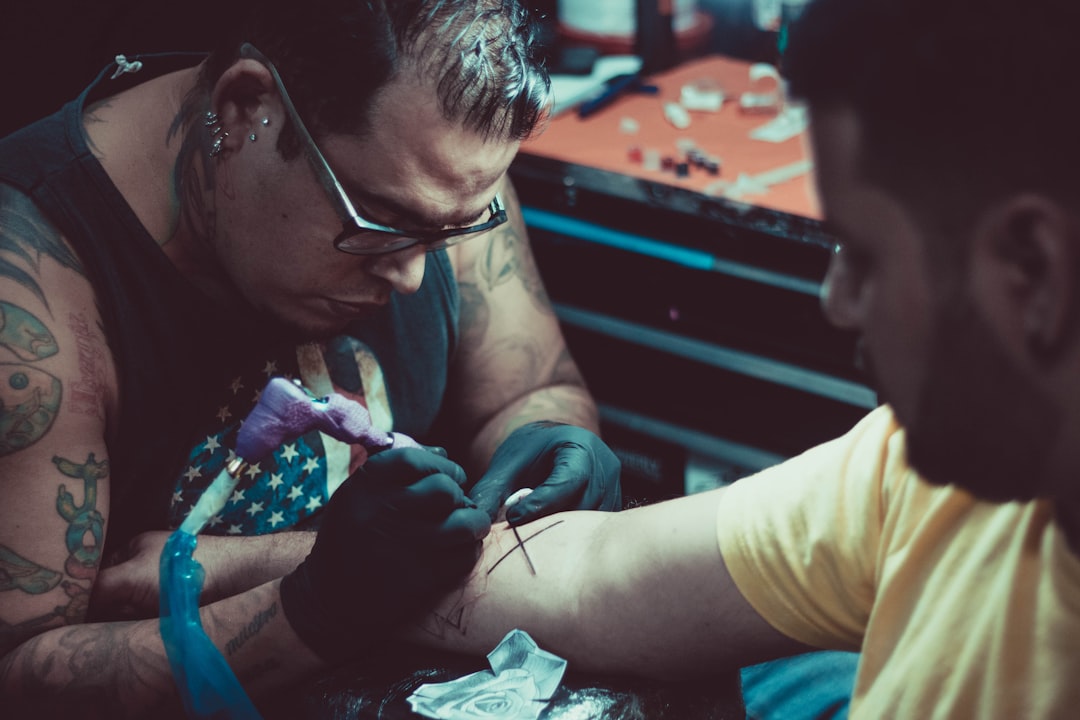
- Direct supervision: Your mentor watches every stroke
- Gradual progression: From simple lines to more complex pieces
- Feedback loops: Constant critique and correction
Phase 4: Building Independence (Months 12-24)
- Less supervision: Handle clients more independently
- Complex work: Take on larger, more intricate pieces
- Client interaction: Full consultations, pricing, bookings
- Portfolio building: Document your best work
Phase 5: Graduation (Months 18-36)
- Independence: Tattoo without supervision
- Licensing: Complete any required certifications
- Career launch: Either stay at your mentor’s shop or move on
Finding an Apprenticeship
Where to Look
Local shops: Visit studios you respect and ask if they take apprentices.
Networking: Attend conventions, follow artists on social media, build relationships.
Industry connections: Other artists can recommend shops looking for apprentices.
What Shops Want to See
- Strong art portfolio: Drawing skills matter—bring your best work
- Commitment: They’re investing years in you; show you’re serious
- Humility: Willing to clean toilets and learn from scratch
- Professionalism: Reliability, punctuality, good attitude
- Passion for the craft: Genuine love for tattoo art and culture
The Application Process
- Research shops in your area
- Prepare your art portfolio (20-30 pieces showing range)
- Visit shops in person (not during busy hours)
- Ask if they’re taking apprentices
- If yes, follow their application process
- If no, ask if they know anyone who is
- Be prepared to wait—good apprenticeships have waitlists
Costs and Compensation
Apprenticeship Fees
Some shops charge for training:
- Range: $0-$10,000
- Typical: $2,000-$5,000
- Free apprenticeships exist but are rarer
Are Apprenticeships Paid?
Usually no, but varies:
- Many apprenticeships are unpaid labor
- Some offer small stipends
- You might earn money from non-tattooing work (front desk, etc.)
- As you advance, you may keep a percentage of tattoo earnings
Other Costs
- Art supplies: For drawing practice
- Practice skin and supplies: Fake skin, ink, needles
- Certifications: Bloodborne pathogens, first aid
- Equipment (eventually): Your own machines, setup
What You’ll Learn
Technical Skills
- Machine operation and tuning
- Line work techniques
- Shading and color packing
- Different styles (traditional, realism, etc.)
- Skin types and how they affect tattoos
- Placement considerations
Health and Safety
- Cross-contamination prevention
- Sterilization procedures
- Bloodborne pathogen protocols
- Aftercare instruction
- Recognizing complications
Business Skills
- Client consultation
- Pricing your work
- Managing appointments
- Building a portfolio
- Marketing yourself
- Professional conduct
Soft Skills
- Reading clients (nervous, pain tolerance, expectations)
- Managing difficult situations
- Building lasting client relationships
- Time management
- Working under pressure
Common Questions
Can I apprentice part-time? Some shops allow it, but full-time is preferred. Part-time extends the timeline significantly.
Do I need art school first? Not required, but strong drawing skills are essential. Practice on your own.
Can I self-teach instead? Technically possible, but strongly discouraged. “Scratchers” who learn alone often develop bad habits, risk client safety, and struggle professionally.
What if I can’t find an apprenticeship? Keep trying. Build your portfolio, network at conventions, and demonstrate commitment. Some artists approach hundreds of shops before landing an apprenticeship.
Can I switch mentors mid-apprenticeship? Possible but burns bridges. Choose carefully and commit.
Red Flags to Avoid
Mentor who charges thousands and provides nothing: Structured training should accompany any fee.
No emphasis on sterilization/safety: Your mentor should prioritize health protocols.
“Learn online” programs: Tattooing can’t be learned remotely.
Rushing you to tattoo: Reputable mentors take time to ensure you’re ready.
High apprentice turnover: Ask how many apprentices they’ve graduated.
Tips for Success
Show up early, stay late: Demonstrate commitment every day.
Accept criticism gracefully: Your mentor’s feedback makes you better.
Practice constantly: Draw every day, even when not at the shop.
Study your mentor: Watch everything they do, ask questions.
Be patient: The timeline can’t be rushed without compromising quality.
Stay humble: You’re learning a craft that takes a lifetime to master.
After Your Apprenticeship
Completing an apprenticeship is just the beginning:
- Continue learning: Attend workshops, study other artists
- Build your portfolio: Document every piece
- Develop your style: What makes your work distinctive?
- Market yourself: Social media, conventions, word of mouth
- Consider your path: Stay at mentor’s shop, join another, or go independent
A tattoo apprenticeship is challenging—long hours, little pay, and demanding work. But for those committed to the craft, it’s the foundation of a rewarding career creating permanent art on human skin.
Running a Tattoo Studio?
If you manage a studio, the right software saves hours every week:
- Tattoo Studio Software — bookings, client history, staff management
- Tattoo Booking Software — online booking your clients can use 24/7
- Tattoo Scheduling Software — smart appointment and waitlist management
- Tattoo Booking App — mobile-first booking for on-the-go artists
- Tattoo Artist Software — purpose-built tools for independent artists
Related: How to Become a Tattoo Artist | Piercing Apprenticeship Guide