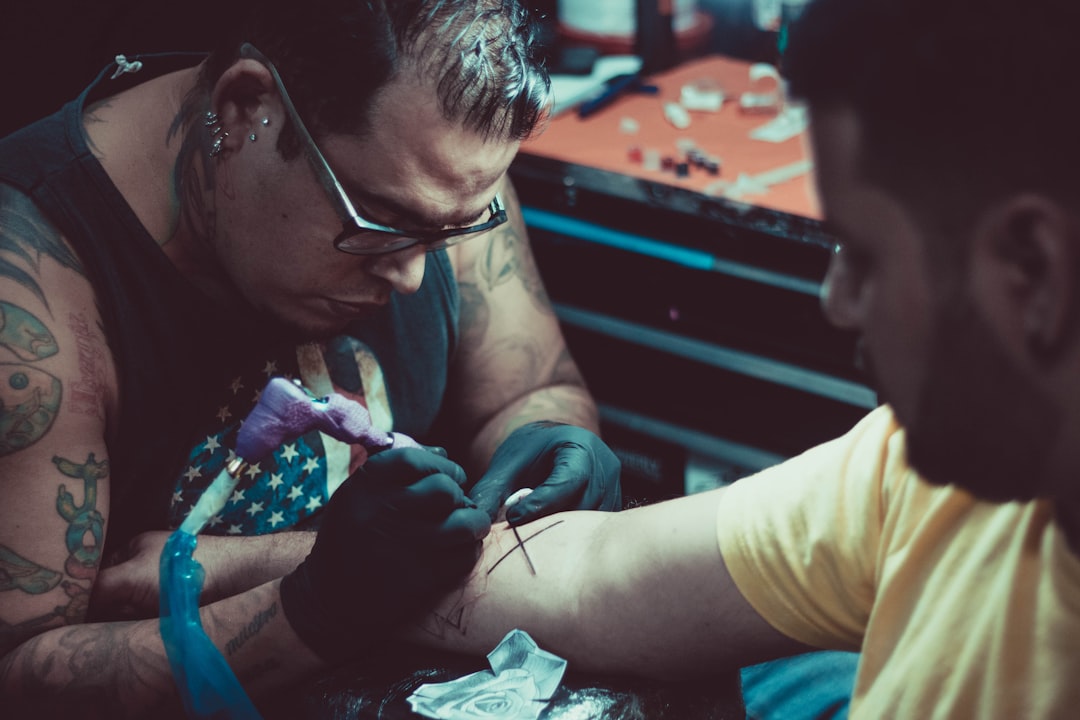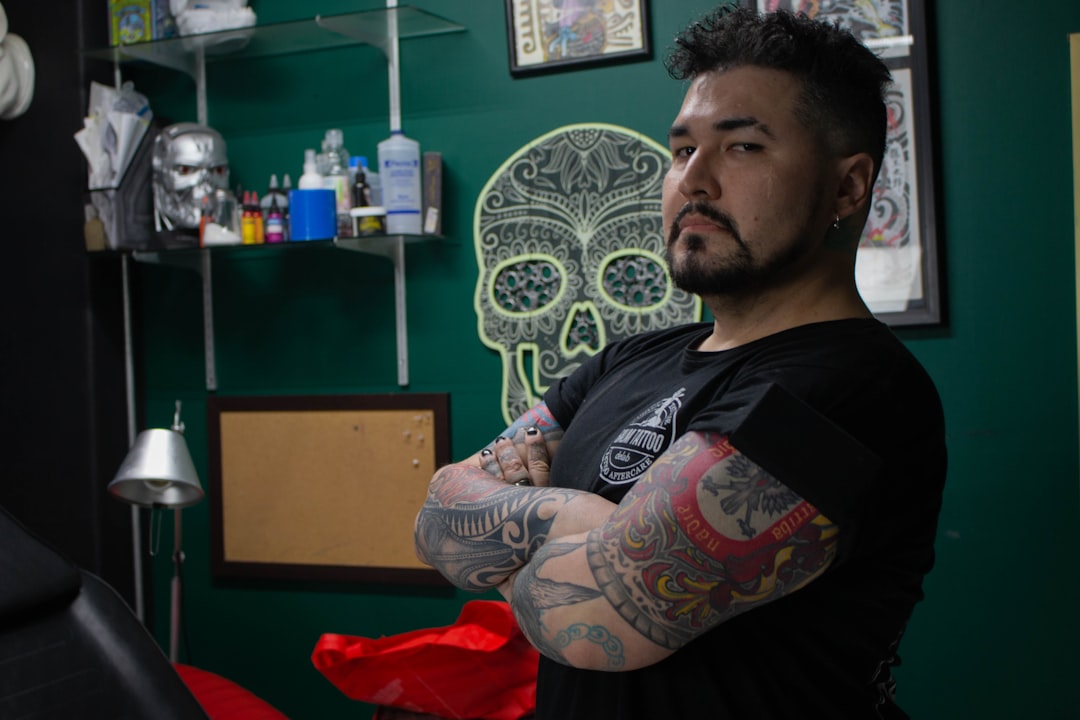
Dreaming of turning your artistic passion into a career as a tattoo artist? The tattoo industry continues to grow, with skilled artists in high demand across the globe. But the path from aspiring artist to professional tattooist requires dedication, training, and strategic career planning. Once established, tattoo artist software handles your bookings, deposits, and client records so you can focus on creating.
What Does a Tattoo Artist Really Do?
Being a tattoo artist goes far beyond just drawing on skin. Professional tattoo artists:
- Consult with clients to understand their vision and translate it into wearable art
- Create custom artwork and stencils tailored to body placement
- Operate tattoo machines with precision, adapting technique to different skin types and areas
- Maintain sterile work environments that meet health and safety standards
- Handle business operations: booking management, deposit collection, consent forms, client communication
The business side is often underestimated by aspiring artists. The most technically gifted artists who struggle with business fundamentals earn a fraction of what organised artists with good systems make.
Step-by-Step Path to Becoming a Tattoo Artist
Step 1: Build Your Artistic Foundation First
Before touching a tattoo machine, develop strong fundamentals. Studios and established artists judge apprenticeship applicants almost entirely on drawing ability.
- Daily drawing practice: Focus specifically on linework, shading, and proportion — the same skills that matter in tattooing
- Study fine art fundamentals: Composition, colour theory, value, and form translate directly to tattoo work
- Build a diverse portfolio: Create pieces in multiple styles (traditional, blackwork, realism, geometric) to demonstrate range
- Study tattoo-specific techniques: How designs need to be adapted for skin — line weight, negative space, what holds over time
Plan for at least 6-12 months of serious artistic development before approaching studios. A weak portfolio is the single most common reason apprenticeship applications fail.
Step 2: Research and Understand the Industry
Immerse yourself in tattoo culture before approaching it professionally:
- Visit reputable shops and observe how they operate — volume, workflow, client interaction
- Attend tattoo conventions both as a spectator and to meet working artists
- Follow respected artists on social media to understand current styles and industry standards
- Study tattoo history, cultural context, and the evolution of styles
This background knowledge demonstrates seriousness when you approach studios. Artists who know nothing about the industry beyond “I like tattoos” rarely secure apprenticeships.
Step 3: Find and Secure an Apprenticeship
The apprenticeship is how virtually all professional tattoo artists learn. It’s the industry’s training pathway, and attempting to bypass it by self-teaching is both dangerous and professionally limiting.
How to approach studios:
- Present in person with your physical portfolio — not just an Instagram link
- Approach studios where your style fits their work, not randomly
- Come prepared: understand the artists’ work, know why you want to learn from them specifically
- Be professional: dress appropriately, be punctual, come with questions
- Expect rejection — multiple applications before securing a position is normal
What apprenticeships involve:
- Duration: typically 1-3 years depending on the studio and your progress
- Early stages: cleaning, assisting, observing, studying — not tattooing
- Gradual progression: from fake skin practice to willing friends/family to paying clients
- Compensation: many apprenticeships are unpaid or even paid for; some studios charge apprenticeship fees
Red flags to avoid:
- Studios that offer an “apprenticeship” for upfront payment without any evaluation of your art
- Artists who want to teach before seeing your portfolio
- Any arrangement that bypasses the standard observation-to-practice progression
Step 4: Obtain Necessary Certifications and Licensing
Requirements vary by country and region, but typically include:
UK requirements:
- Local authority registration (council licensing varies by area)
- Blood-borne pathogen awareness training
- First aid certification recommended
- Premises must meet local authority inspection standards
US requirements:
- State-specific licensing (requirements vary significantly by state)
- Blood-borne pathogen certification (usually required)
- Some states require specific hours of apprenticeship training
- Local health department permits
Research your local requirements thoroughly before setting up. Tattooing without proper licensing is illegal in most jurisdictions and a serious liability.
Step 5: Build Your Professional Practice
Once you complete your apprenticeship, building your own sustainable practice requires business foundations alongside artistic skill.
Essential equipment (independent setup):
- Quality tattoo machines — both rotary and coil for different applications
- Professional-grade inks from reputable suppliers
- Sterilisation equipment and single-use needles
- A proper workstation setup with appropriate lighting
- Professional furniture: artist chair, client chair/bed
Business fundamentals:
- A booking system — manual for day one, software as you grow
- Clear pricing structure (hourly rate, minimum charge, deposit policy)
- Online presence: website and social media portfolio
- Client communication workflow: enquiry response, consultation, booking, aftercare
See the complete guide to building your client base for strategies on growing from your first few clients to a full calendar.
Income at Each Stage
Understanding realistic income expectations helps you plan your career:
| Stage | Experience | UK Annual Income | Hourly Rate |
|---|---|---|---|
| Apprentice | 0-1 year | Unpaid–£15,000 | N/A |
| Junior artist | 1-3 years | £18,000–£30,000 | £60–£100 |
| Established artist | 3-7 years | £35,000–£65,000 | £100–£180 |
| Experienced/specialist | 8+ years | £60,000–£120,000+ | £150–£350+ |
Income depends heavily on location (London and major cities command higher rates), specialisation (realism and fine-line command premiums), and business management (artists who handle bookings efficiently and reduce no-shows earn significantly more).
After the Apprenticeship: Career Paths
Completing your apprenticeship opens several paths:
Stay at the training studio: If the relationship is good, many artists stay for 1-2 years post-apprenticeship to build their reputation under an established name.
Join another studio: Working in a different studio exposes you to different client demographics, styles, and business approaches. Valuable for development.
Go freelance/booth rental: Pay booth rent to a studio, keep your full earnings. More financial risk, more upside if your client base is established.
Open your own studio: The longest-term path, requiring business capital and management skills beyond tattooing. Read the tattoo studio software guide to understand what running a studio involves.
Common Mistakes to Avoid
- Skipping the apprenticeship: Self-taught artists miss technique fundamentals, industry knowledge, and the network that comes from a proper training relationship
- Buying cheap equipment: Equipment quality directly affects results and safety. Do not compromise on machines, inks, or sterilisation
- Underpricing your work: Low prices attract price-sensitive clients and signal low quality. Research your local market and price accordingly
- Neglecting business skills: Your artistic skill has a ceiling set by your business skills. Artists who can’t manage bookings, deposits, and client communication leave money on the table
- Ignoring health and safety: The consequences of poor hygiene practices are severe — for clients and for your career
FAQ
How long does it take to become a tattoo artist?
Most artists spend 1-3 years in apprenticeship before working independently. Total time from beginner to established professional is typically 4-7 years.
Do I need formal art training?
Formal art education helps but isn’t required. What matters most is demonstrable skill through your portfolio. Self-taught artists with exceptional drawing ability secure apprenticeships regularly.
How much does a tattoo apprenticeship cost?
UK apprenticeships are typically unpaid rather than paid-for. US apprenticeships sometimes charge fees of $5,000-$15,000 for “pay-to-learn” arrangements — research these carefully, as quality varies widely.
Can I be self-taught as a tattoo artist?
While some technique can be self-practiced, professional apprenticeship is strongly recommended for safety, technique quality, and industry connections. Most reputable studios won’t hire artists who bypassed the apprenticeship pathway.
Related Articles
- Tattoo Artist Software: Tools for Independent Artists
- How Much Do Tattoo Artists Make?
- Tattoo Apprenticeship: Complete UK Guide
Running a Tattoo Studio?
If you manage a studio, the right software saves hours every week:
- Tattoo Studio Software — bookings, client history, staff management
- Tattoo Booking Software — online booking your clients can use 24/7
- Tattoo Scheduling Software — smart appointment and waitlist management
- Tattoo Booking App — mobile-first booking for on-the-go artists
- Tattoo Artist Software — purpose-built tools for independent artists
Get started and manage your career from day one.