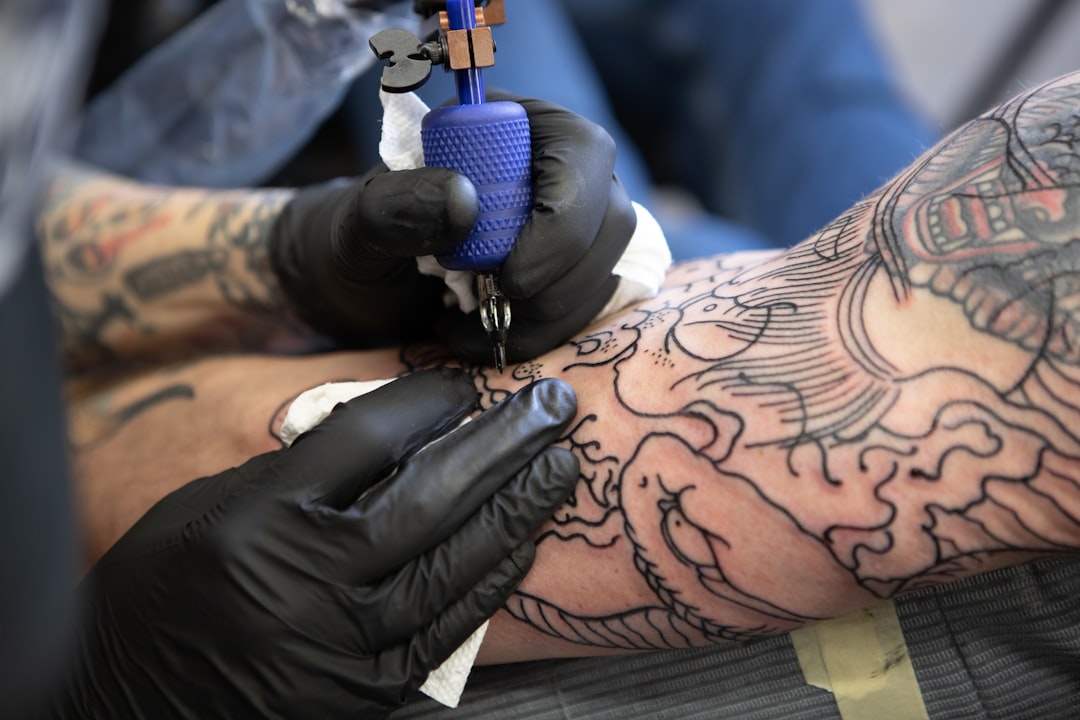
Every successful tattoo artist started with zero clients. Building a loyal client base takes time, but with the right approach you can accelerate your growth and establish a sustainable business. Once your roster grows, tattoo artist software manages bookings and client records so you can focus on the art.
Start With Your Portfolio
Your portfolio is your most powerful marketing tool. Before anything else, focus on building a strong body of work that represents the style and quality you want to attract.
Building a Portfolio That Gets Bookings
- Photograph everything well: Good lighting, clean backgrounds, and healed photos when possible. Clients want to see how your work looks after healing — fresh photos alone aren’t enough.
- Show your range: Different styles, sizes, and placements signal versatility to prospective clients.
- Quality over quantity: Twenty exceptional pieces beat one hundred mediocre ones. Ruthlessly edit your portfolio as you improve.
- Keep it updated: Remove your oldest work regularly. Your current ability is what matters.
- Document process shots: Clients respond to progress photos and time-lapses. They create engagement and demonstrate your technique.
Building a strong portfolio is crucial for becoming a professional tattoo artist — it’s what gets you noticed before clients ever speak to you.
Leverage Social Media Strategically
Instagram remains the primary platform for tattoo artists, but treat it as a business tool, not just a gallery.
Instagram Strategy That Works
- Post consistently: 3-5 times per week minimum. Consistency builds algorithmic momentum and keeps you visible.
- Use location + style + subject hashtags: A post combining #ManchesterTattoo #TraditionalTattoo #WolfTattoo targets exactly the right audience at each level.
- Show your process, not just finished work: Behind-the-scenes content builds personality and trust that portfolio shots alone can’t.
- Engage with your local tattoo community: Comment genuinely on other artists’ work. Community engagement drives real discovery.
- Use Stories for day-to-day content: Behind the scenes, studio life, flash availability announcements. Stories keep you in people’s minds between portfolio posts.
Other Platforms Worth Your Time
- TikTok: Process videos and time-lapses reach a massive younger audience who are in the consideration stage of getting tattooed. Viral potential is higher than Instagram.
- Pinterest: Still a significant traffic driver for tattoo inspiration. Optimised pins drive search traffic to your website or booking page.
- Google Business Profile: Set this up and keep it updated. Local searches like “tattoo artist near me” or “tattoo studio [city]” are high-intent — people searching these are ready to book.
Word of Mouth: Your Most Powerful Channel
Nothing beats client referrals. Every person you tattoo is a walking advertisement — your work travels with them everywhere they go for the rest of their life.
How to Generate More Referrals
Do exceptional work: This goes without saying, but it’s the foundation everything else depends on.
Provide outstanding aftercare guidance: Clients who heal well are clients who recommend you. Send written aftercare instructions and follow up at the 2-week mark to check in.
Make it easy to rebook: A client who’s had a great experience is primed for their next piece. Have your booking link easy to find on your profile and in your post-appointment communications.
Ask for referrals explicitly: Many artists are uncomfortable with this, but a simple “if you know anyone looking for their next tattoo, I’d love to work with your friends” planted after a great session generates real bookings.
Consider a referral incentive: A discount on the referring client’s next session, or a small gift voucher, formalises the referral relationship. Even a verbal “thank you” and acknowledgement when a referral books creates positive reinforcement.
Networking in the Tattoo Community
The tattoo community is more supportive than competitive artists sometimes assume. Artists who refer each other, cover for each other’s schedules, and collaborate on events all grow faster.
Build relationships with:
- Other artists in your area — not just your immediate studio
- Studio owners who might need guest artists or have overflow bookings
- Tattoo convention organisers and vendors
- Artists whose work you admire (even internationally — online relationships lead to real opportunities)
How to network without it feeling transactional:
- Engage genuinely with other artists’ work online
- Attend conventions as an attendee before working them
- Offer to assist at events before pitching to work them
- Share knowledge freely — generosity builds reputation faster than promotion
Make Booking as Easy as Possible
You’d be surprised how many potential clients are lost because booking is difficult. If your Instagram says “DM to book” and you respond to enquiries 2-3 days later, you’re losing clients to artists who respond in hours.
Tattoo booking software eliminates this friction entirely. When a potential client can book a consultation or appointment directly from your bio link at 11pm without waiting for you to respond, your conversion rate from interest to booked appointment improves dramatically.
Ensure:
- Your contact information is easy to find on every platform
- You respond to enquiries within 24 hours (ideally faster)
- Online booking is available 24/7 if possible
- Your availability is clearly visible — ambiguity about when you’re taking bookings drives people away
Specialise to Stand Out
While versatility has value, becoming known for something specific creates the kind of reputation that brings clients to you rather than requiring you to market constantly.
Types of specialisation:
- Style (traditional, blackwork, realism, fine line, watercolour, neo-traditional)
- Subject matter (botanical, portraiture, animals, geometric, horror, mythology)
- Scale (micro tattoos, large-scale pieces, body suits)
- Client type (coverups, first tattoos, continuation pieces)
Artists known as the best in their area for a specific style command waiting lists and premium rates. Generalists compete on price; specialists compete on reputation.
Your First-Year Timeline
Building a solid client base from scratch follows a predictable pattern:
Months 1-3: Low volume, high effort. Focus on quality over quantity. Every client is a potential portfolio piece and referral source. Do not compromise on quality to fill your calendar.
Months 4-6: Word of mouth starts to compound. Instagram growth begins to translate to direct booking enquiries if you’ve been consistent.
Months 6-12: Repeat clients appear. First referral bookings arrive. This is when a proper booking system pays dividends — you’re juggling enough clients that manual management starts to break down.
Years 2-3: Full booking calendar. Waiting lists for popular slots. Position to raise prices based on demand. Tattoo studio software handles the administration so you can focus on creating.
Handling the Slow Periods
Every artist has quiet periods, especially in their first two years. Use them productively:
- Create content for social media during quieter weeks
- Practice new techniques on artificial skin
- Develop flash designs you can sell at speed
- Reach out to clients you haven’t heard from in a while
- Attend conventions to expand your network
Slow periods are part of the process, not indicators of failure.
Related Articles
- Tattoo Artist Software: Tools for Independent Artists
- How to Become a Tattoo Artist
- Tattoo Apprenticeship: Complete UK Guide
Running a Tattoo Studio?
If you manage a studio, the right software saves hours every week:
- Tattoo Studio Software — bookings, client history, staff management
- Tattoo Booking Software — online booking your clients can use 24/7
- Tattoo Scheduling Software — smart appointment and waitlist management
- Tattoo Booking App — mobile-first booking for on-the-go artists
- Tattoo Artist Software — purpose-built tools for independent artists
Get started and manage your growing client base from day one.