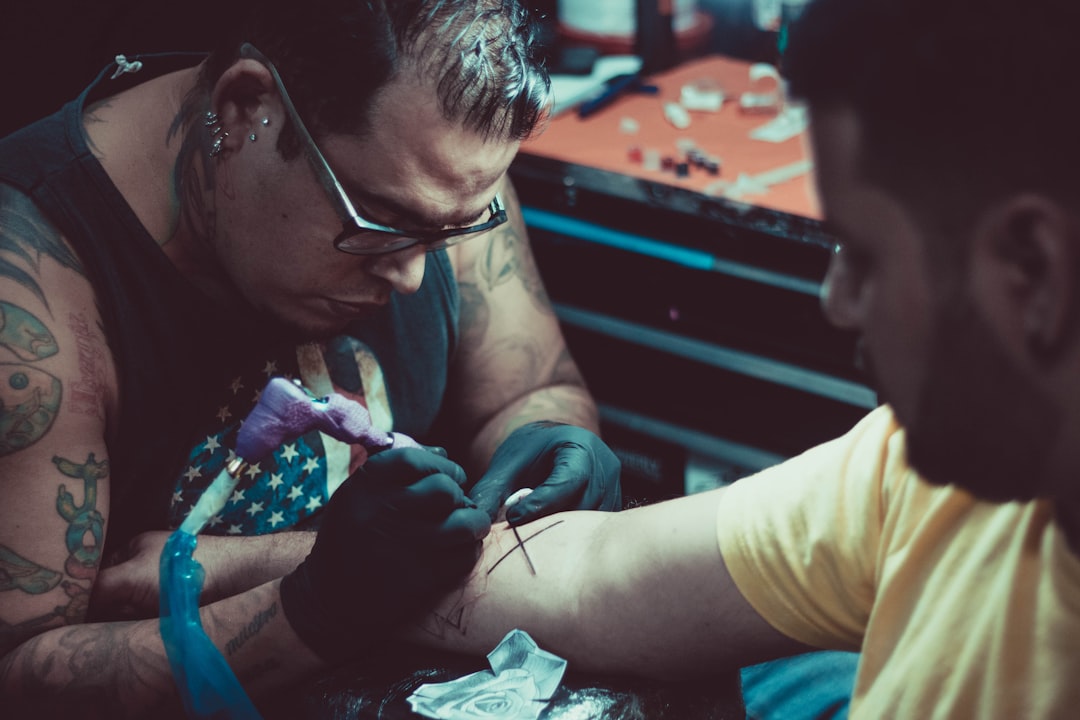
A piercing apprenticeship is the gateway to a professional career in body modification. Unlike tattooing, where self-taught artists exist (though it’s not recommended), piercing requires hands-on training under experienced professionals. This guide covers everything you need to know. See how Tattoo Artist Software can help. Check out Tattoo Booking App. Explore Tattoo Booking Software solutions. See how Tattoo Scheduling Software can help. Learn more about Tattoo Studio Software.
What Is a Piercing Apprenticeship?
A piercing apprenticeship is a structured training program where you learn under a licensed, experienced piercer. It typically lasts 6 months to 2 years and covers:
- Anatomy and physiology
- Sterilization and cross-contamination prevention
- Jewelry selection and fitting
- Piercing techniques for various locations
- Client care and consultation
- Business and professionalism
Requirements to Begin
Basic Requirements
- Age: 18+ in most jurisdictions
- Health: Bloodborne pathogen certification
- Background: Clean record (many shops require checks)
- Vaccination: Hepatitis B vaccination (often required)
Helpful Background
- Customer service experience
- Interest in body modification culture
- Basic knowledge of anatomy
- Artistic sensibility
- Strong stomach (you’ll see blood)
Finding an Apprenticeship
Where to Look
Local piercing studios: Visit reputable shops and ask if they take apprentices.
Tattoo studios with piercers: Many tattoo shops have piercing programs.
Professional networks: APP (Association of Professional Piercers) member studios often mentor.
Industry events: Conferences and conventions connect you with professionals.
What to Look For
- Licensed, experienced mentor: Minimum 3-5 years experience
- Clean, professional environment: Observe sterilization practices
- Structured program: Not just “watch and figure it out”
- Good reputation: Check reviews and ask around
- APP membership or equivalent standards: Shows commitment to best practices
Red Flags
- Asking for excessive fees upfront
- No structured curriculum
- Piercing in unsanitary conditions
- Mentor with limited experience
- High apprentice turnover
The Apprenticeship Process
Phase 1: Foundation (Months 1-3)
- Learn sterilization and autoclave operation
- Study anatomy and safe piercing zones
- Understand jewelry types, materials, and sizing
- Observe piercings without participating
- Handle administrative tasks (cleaning, setup)
Phase 2: Supervised Practice (Months 3-9)
- Begin piercing under direct supervision
- Start with basic piercings (lobes, cartilage)
- Learn to handle complications
- Develop client consultation skills
- Build speed and confidence
Phase 3: Advanced Skills (Months 9-18)
- Progress to complex piercings
- Handle difficult anatomy
- Manage complications independently
- Take on clients with minimal supervision
- Begin building your portfolio
Phase 4: Graduation (Months 18-24)
- Complete required procedures
- Pass any certification requirements
- Establish independent practice
- Continue learning (always)
Costs and Compensation
Apprenticeship Fees
Some shops charge for training:
- Range: $0-$5,000+
- Average: $1,000-$3,000
- What’s included varies: Materials, certification courses, etc.
Working During Apprenticeship
- Many apprenticeships are unpaid
- Some offer small stipends
- You may work front desk for hourly pay
- Revenue typically begins when piercing independently
Additional Costs
- Bloodborne pathogen certification: $50-100
- First aid/CPR: $50-100
- Hepatitis B vaccination: $0-150 (often covered by insurance)
- Professional organization membership: $50-200/year
- Tools and supplies: Varies
Legal Requirements
Requirements vary by location:
Common Requirements
- Bloodborne pathogen training
- State/local license or registration
- Shop operates under health department permits
- Minimum age (usually 18)
Getting Licensed
- Complete apprenticeship hours (typically 1,000-2,000)
- Pass written exam (if required)
- Submit application with documentation
- Pay licensing fees
- Maintain continuing education
Building Your Career
After Apprenticeship
- Start at an established shop: Build reputation and client base
- Specialize: Become known for specific piercing types
- Continue education: Attend conferences, take courses
- Document your work: Photography portfolio is essential
Income Expectations
Entry-level piercer: $25,000-40,000/year Experienced piercer: $40,000-60,000/year Top piercers in major cities: $60,000-100,000+
Income depends on:
- Location
- Shop type and traffic
- Specialization
- Reputation
Career Paths
- Staff piercer: Work at an established studio
- Studio owner: Open your own business
- Traveling guest: Work at different shops
- Educator: Train the next generation
- Product specialist: Work for jewelry companies
Tips for Success
Be patient: Rushing leads to mistakes and bad habits.
Stay humble: You’re learning from someone’s years of experience.
Show initiative: Clean without being asked, arrive early, study constantly.
Network: Build relationships in the industry.
Document everything: Keep records of your training and procedures.
Accept feedback: Criticism is how you improve.
Common Questions
How long does it take? 6 months to 2 years depending on program and your progress.
Can I apprentice part-time? Some shops allow it, but progress will be slower.
Do I need art skills? Less than tattooing, but aesthetic sense helps.
Can I switch mentors? Possible but may burn bridges—choose carefully.
What if I can’t find an apprenticeship? Keep trying. Visit shops, attend events, build relationships.
Getting Started
- Research reputable piercing studios in your area
- Visit several and observe their practices
- Introduce yourself and express interest professionally
- Be prepared to wait—good apprenticeships have waitlists
- Have your certifications ready (bloodborne pathogens, etc.)
- Commit fully once accepted
A piercing apprenticeship is an investment in your future. The training takes time, and the early months can be frustrating. But for those passionate about body modification, it’s the path to a rewarding career.
Related: How to Become a Tattoo Artist | Tattoo Apprenticeship Guide