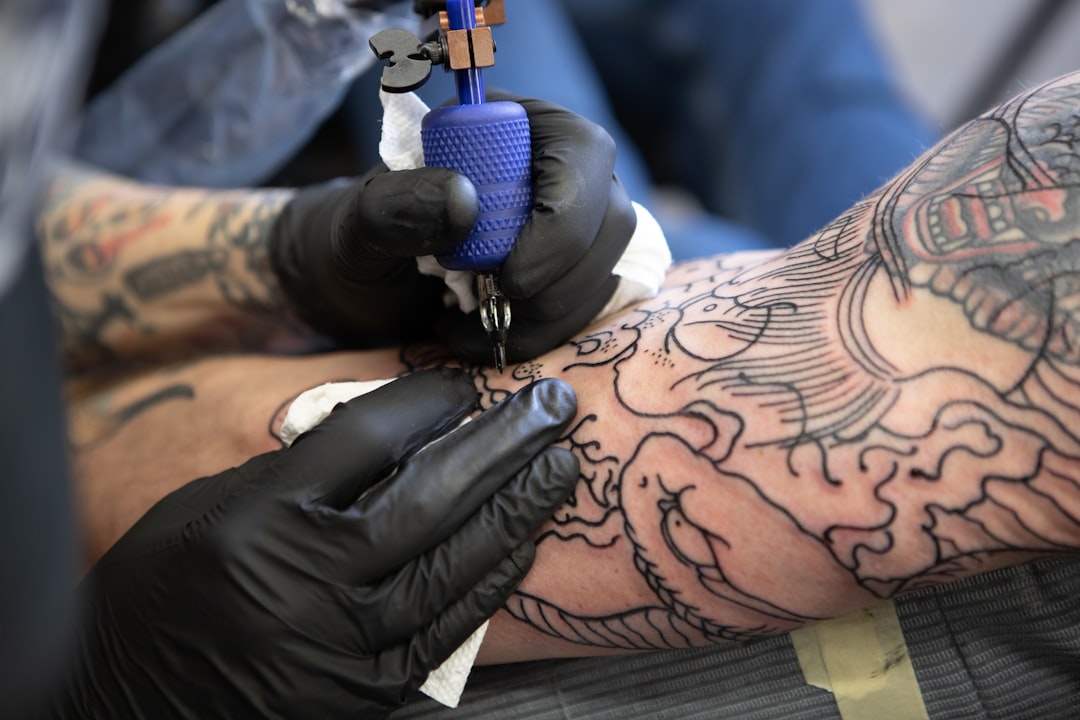
A proper tattoo consent form is one of the most important documents in your studio. It protects your business legally, ensures clients understand the process, and demonstrates professionalism. Yet many studios use outdated or incomplete forms that leave gaps in protection.
This guide covers everything your tattoo consent form should include, common mistakes to avoid, and how to implement forms in your tattoo studio workflow.
Why Consent Forms Matter
Legal Protection
A well-crafted consent form establishes:
- Informed consent was given
- Risks were explained
- Client confirmed eligibility
- Aftercare instructions were provided
- Both parties agreed to terms
Without documented consent, you’re vulnerable to claims that the client didn’t understand what they were agreeing to.
Professional Standards
Reputable studios use thorough consent processes. It signals to clients that you take your practice seriously and prioritise their wellbeing.
Insurance Requirements
Most tattoo insurance providers require documented consent. Without proper forms, claims may be denied.
Essential Elements of a Tattoo Consent Form
1. Client Identification
Required information:
- Full legal name
- Date of birth
- Address
- Phone number
- Email address
- Valid ID type and number
Why it matters: Verifies identity, confirms legal age, and provides contact information for follow-up.
2. Age Verification
Include:
- Clear statement that client confirms they are 18 or older (or whatever your local legal age is)
- Space to record ID verification
- For minors (where legally permitted): parent/guardian signature and presence
Note: Requirements vary by jurisdiction. Know your local laws.
3. Health Declarations
Ask about:
- Heart conditions
- Diabetes
- Blood disorders or clotting issues
- Immune system conditions
- Skin conditions (eczema, psoriasis)
- Allergies (especially to latex, metals, or inks)
- Current medications (especially blood thinners)
- Recent alcohol or drug use
- Pregnancy or breastfeeding
- History of fainting or seizures
- Any conditions affecting healing
Why it matters: Certain conditions create risks during tattooing or affect healing. This information allows you to decline or modify service, or take extra precautions.
4. Informed Consent Statement
Should cover:
- Client understands tattooing involves skin penetration
- Client understands inherent risks
- Client has had opportunity to ask questions
- Client consents to the procedure voluntarily
Example language: “I acknowledge that a tattoo is a permanent change to my appearance. I have been given the opportunity to ask questions and understand the risks involved in getting a tattoo, including but not limited to infection, allergic reaction, scarring, and dissatisfaction with results.”
5. Risk Acknowledgment
Explicitly list risks:
- Infection
- Allergic reactions
- Scarring
- Keloid formation
- Colour changes over time
- Fading
- Need for touch-ups
- Dissatisfaction with appearance
- MRI complications (for certain inks)
Important: Being comprehensive protects you legally. Clients can’t claim they weren’t warned if risks are clearly listed.
6. Aftercare Acknowledgment
Include statement that:
- Aftercare instructions were provided
- Client understands their responsibility for proper healing
- Improper aftercare may affect results
- The studio isn’t responsible for infections or issues caused by poor aftercare
Best practice: Provide written aftercare instructions separately and have client sign that they received them.
7. Design Approval
Should state:
- Client has approved the final design
- Client has approved the placement
- Client has approved the size
- Client understands the design is permanent
- Client accepts responsibility for their design choices
For custom work:
- Reference to any design changes discussed
- Acknowledgment that artistic interpretation may vary slightly
8. Photo/Portfolio Release (Optional)
If you want to photograph the work:
- Separate consent for photos
- Permission to use in portfolio/social media
- Option for clients to decline while still getting tattooed
Note: This should be optional, not conditional on receiving the tattoo.
9. Deposit and Payment Terms
Cover:
- Deposit amount and refund policy
- Payment expectations
- Cancellation policy
- Touch-up policy
Link to your booking policy: If you have separate terms, reference them and have clients acknowledge they’ve read them.
10. Release of Liability
Should include:
- Client releases studio from liability for issues beyond studio’s control
- Client accepts that results may vary
- Client accepts responsibility for design choices
- Client accepts responsibility for aftercare
Important: Release clauses have limits and don’t protect against negligence. Consult a legal professional in your area.
11. Signatures and Dates
Required:
- Client signature
- Print name
- Date
- Artist signature (optional but recommended)
For digital forms:
- Electronic signature capability
- Date/timestamp
- Client confirmation checkbox
Additional Sections to Consider
Medical Emergency Consent
“In case of medical emergency during the procedure, I consent to seeking emergency medical care and understand I am responsible for any associated costs.”
Sobriety Statement
“I confirm that I am not under the influence of alcohol or drugs that may affect my judgment or the tattooing process.”
Honesty Declaration
“I confirm that all information provided on this form is accurate and complete to the best of my knowledge.”
Previous Tattoo History
Space for clients to note:
- Previous tattoos
- Any complications experienced
- Touch-up history
Cover-up Specific Clauses
For cover-up work:
- Client understands coverage limitations
- Original tattoo may show through
- Multiple sessions may be required
- Results depend on original tattoo characteristics
Common Consent Form Mistakes
Being Too Vague
Generic statements like “I understand there are risks” don’t specify what risks. Be explicit.
Missing Health Questions
Failing to ask about relevant health conditions leaves you vulnerable if complications occur.
No Photo Authorization Separation
Combining tattoo consent with photo release creates issues. Keep them separate so clients can decline photos without affecting their tattoo.
Outdated Information
Using forms that reference old studio names, outdated policies, or incorrect legal language.
Poor Readability
Tiny text, dense legal language, or poorly formatted forms mean clients don’t actually read them.
No Version Control
Not knowing which version of your form a client signed creates problems if your policies change.
Implementing Consent Forms in Your Workflow
Before the Appointment
For scheduled appointments:
- Send consent form digitally for advance review
- Require completion before arrival
- Follow up if not completed
Benefits:
- Clients can read carefully without time pressure
- Identifies issues before they arrive
- Saves appointment time
At the Appointment
Process:
- Verify ID matches form information
- Review health declarations verbally
- Confirm no changes since form completion
- Address any questions
- Final signature
Storage and Management
Requirements:
- Secure storage (GDPR/data protection compliance)
- Easy retrieval if needed
- Retention for appropriate period (check local requirements)
Digital vs. Paper:
| Digital | Paper |
|---|---|
| Easy to search and retrieve | No technology required |
| Automatic backup | Physical security needed |
| Integration with booking software | Filing system required |
| Requires device/system | Familiar process |
Using Tattoo Software for Forms
Tattoo studio software can streamline consent forms:
- Digital signatures: Legally valid, timestamped
- Pre-appointment delivery: Send forms before appointments
- Automatic storage: Forms linked to client records
- Version tracking: Know which form version was signed
- Expiration reminders: For repeat clients, prompt re-signing after policy updates
Legal Considerations
Jurisdiction Matters
Consent form requirements vary by:
- Country
- State/province
- Local regulations
What to research:
- Minimum age for tattooing
- Required health disclosures
- Retention periods for records
- Specific required clauses
Professional Review
Having a lawyer review your consent form is worth the cost. They can:
- Ensure compliance with local laws
- Identify gaps in protection
- Use appropriate legal language
- Update forms when laws change
Limits of Liability Waivers
Consent forms don’t protect against:
- Negligence
- Malpractice
- Health code violations
- Failure to meet professional standards
They protect against known, disclosed risks when proper procedures were followed.
Handling Special Situations
Minors (Where Legal)
Requirements typically include:
- Parent/guardian presence during procedure
- Parent/guardian signature on consent
- Parent/guardian ID verification
- Minor’s ID verification
- Some jurisdictions require notarised consent
Language Barriers
Options:
- Translated forms
- Interpreter present
- Clear statement that client understands form content
Intoxicated Clients
Clear policy: Decline service if client appears impaired. Your consent form should include a sobriety confirmation, but you should also use judgment and decline service regardless of what they sign.
Repeat Clients
Options:
- New form for each session
- Annual re-signing with session confirmation
- Digital confirmation at each visit
Best practice: At minimum, verbal confirmation of no health changes and signed acknowledgment each visit.
Building Your Consent Form
Starting Point
- Research local requirements
- Review forms from reputable studios
- List all elements you need to include
- Draft in plain language
- Have legal review
- Test with staff
- Implement and iterate
Design Tips
- Use clear headings
- Keep paragraphs short
- Important items in bold
- Checkboxes for key acknowledgments
- Adequate signature space
- Include your studio contact information
Review Schedule
Review and update your consent form:
- Annually at minimum
- When laws change
- When your policies change
- When you add new services
- After any incident that reveals gaps
Summary
A proper tattoo consent form should include:
- Client identification and age verification
- Health declarations covering relevant conditions
- Informed consent statement with opportunity to ask questions
- Risk acknowledgment listing specific risks
- Aftercare acknowledgment and responsibility
- Design approval for permanent decisions
- Photo release (separate and optional)
- Payment terms and policies
- Liability release within legal limits
- Proper signatures and dating
Invest in getting this right. A solid consent form protects your business, demonstrates professionalism, and ensures clients make informed decisions.
Running a Tattoo Studio?
If you manage a studio, the right software saves hours every week:
- Tattoo Studio Software — bookings, client history, staff management
- Tattoo Booking Software — online booking your clients can use 24/7
- Tattoo Scheduling Software — smart appointment and waitlist management
- Tattoo Booking App — mobile-first booking for on-the-go artists
- Tattoo Artist Software — purpose-built tools for independent artists
Start your free trial and see how much easier running a tattoo studio can be.